








They are not the same fat
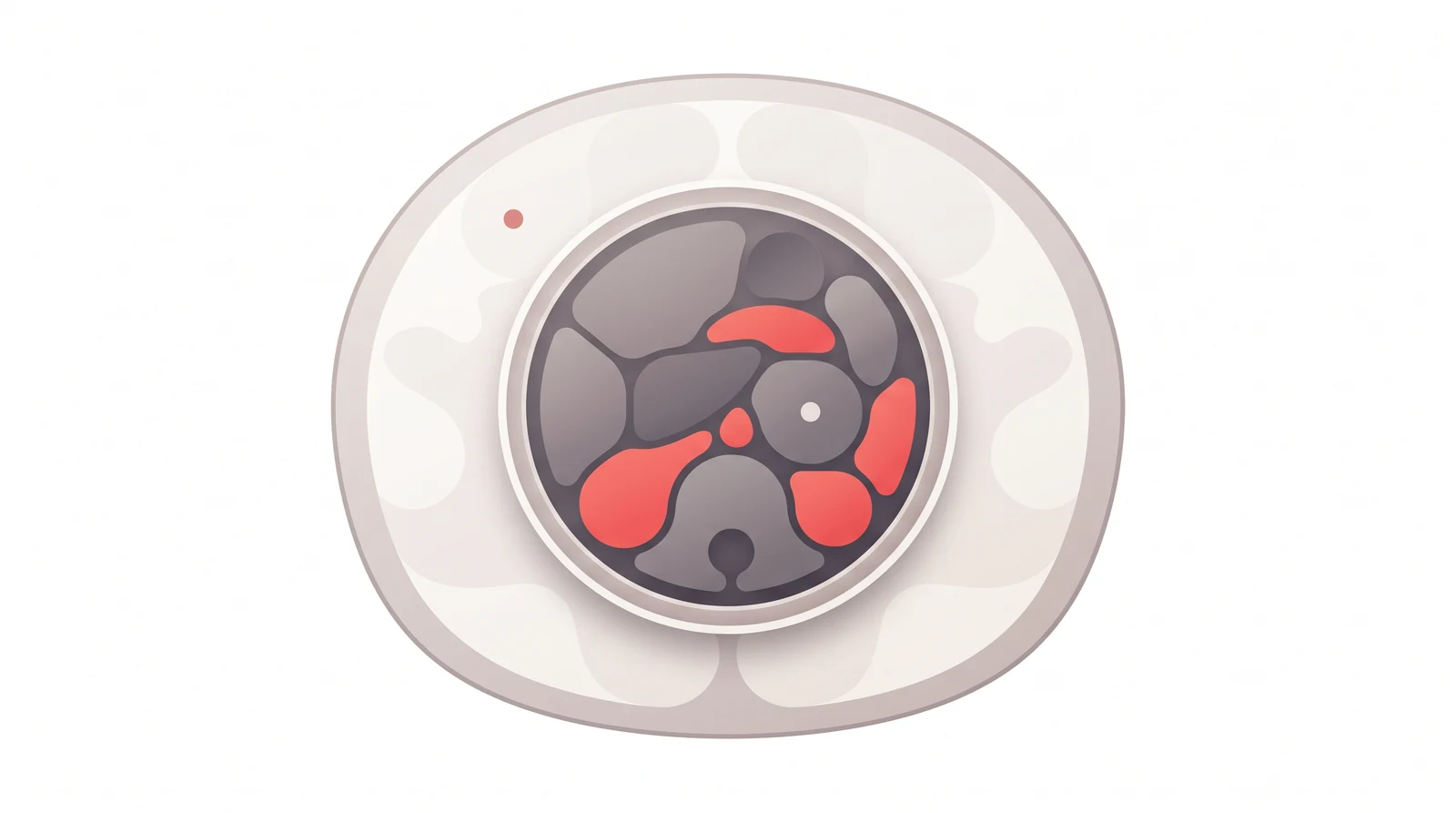
The single phrase "my stomach sticks out" covers two different states: one where a thick fold can be grabbed with the hand, and one where the abdomen feels firm on the outside yet protrudes forward.
The former is subcutaneous fat and the latter is visceral fat. As the names suggest, they are divided by whether they sit beneath the skin or between the organs.
Different locations mean different properties. What they do in the body, how they affect health, and how they are reduced are all different.
So before deciding what to do about the abdomen, we have to determine what the problem is. Approaching it without that distinction means effort spent without the change you wanted.
Subcutaneous fat, the fat you can grab
This is the layer directly beneath the skin. The flesh you can pinch and lift with your fingers belongs here.
It has jobs to do. It maintains body temperature, absorbs external impact, and stores energy. In other words, it is tissue the body cannot do without.
In a state of obesity, subcutaneous fat is regarded as the relatively stable fat, because it places less burden on metabolism than visceral fat.
Distribution varies by individual and by sex. It tends to accumulate in specific areas such as the upper arms, thighs, and buttocks, and this distribution is known to be strongly influenced by genetic factors. That is the background to certain areas stubbornly resisting dieting.
Visceral fat, the fat between the organs
This is fat inside the abdominal cavity, surrounding organs including the liver and pancreas. It cannot be felt from the outside.
The problem is that this fat does not sit still. It continuously releases fatty acids and inflammatory substances, and those substances flow directly into the liver. In effect, it is directly involved in the body's metabolism.
So when visceral fat is high, the risk of insulin resistance and type 2 diabetes is reported to rise even at the same body weight and the same body mass index. It is also identified as a risk factor for metabolic syndrome and cardio-cerebrovascular disease.
It can be present even in people who look slim. This is why so-called normal-weight obesity is treated as a problem. The Korean Society for the Study of Obesity sets the waist circumference criteria for abdominal obesity at 90 centimeters or more for men and 85 centimeters or more for women.
How do I know which one it is?
The simplest method is to pinch with your hand. If a thick fold of abdominal flesh can be grabbed while lying down, subcutaneous fat makes up a large share. Conversely, if what you can grab is thin while the abdomen bulges forward, visceral fat is suspected.
Waist circumference is another reference. However, since both are often present together, circumference alone makes the distinction difficult.
For an accurate view, body composition analysis or imaging is used. A cross-section of the abdomen shows the thickness of the subcutaneous fat layer and the amount of fat inside the abdominal cavity separately.
In most cases both are mixed. Setting priorities according to which share is larger is the practical approach.
The same weight does not mean the same body
The number on the scale does not tell you where the fat is. Two people of the same height and weight can differ greatly on the inside.
The same goes for body mass index. Because it is calculated from height and weight alone, someone with a lot of muscle and someone with a lot of visceral fat can end up with the same value. Looking slim while showing poor metabolic markers falls into this category.
That is why waist circumference is used alongside it, as a simple standard for seeing whether fat is concentrated in the abdomen.
For a more accurate view, body composition analysis separates muscle mass and body fat percentage. What needs to be reduced can only be decided once that distinction is made.
The ways to reduce them differ
Visceral fat is not removed surgically. It sits between the organs, out of reach, and reaching it would be dangerous.
Instead, it responds relatively well. When weight is reduced through dietary control and aerobic exercise, visceral fat is known to tend to decrease first. The Korean Society for the Study of Obesity recommends at least 150 minutes of moderate-intensity aerobic exercise per week combined with resistance exercise 2 to 3 times a week.
Subcutaneous fat is the opposite. The total amount across the body can be reduced, but which area slims first cannot be chosen. That is why liposuction comes up for areas that stubbornly remain.
The order matters. If only subcutaneous fat is addressed while visceral fat is high, the abdomen still protrudes. This is why the recommended order is to lose weight first and then refine the remaining areas.
| Category | Subcutaneous fat | Visceral fat |
|---|---|---|
| Where it sits | The layer directly beneath the skin | Inside the abdominal cavity, around the organs |
| When pinched by hand | Grabbed as a thick fold | Cannot be felt from the outside |
| What it does | Maintains body temperature, absorbs impact, stores energy | Releases fatty acids and inflammatory substances, taking part in metabolism |
| Relationship with metabolism | Regarded as the relatively stable fat | Reported to raise the risk of insulin resistance and type 2 diabetes |
| How it is assessed | Pinching while lying down, body composition and imaging tests | Waist circumference as a reference, body composition and imaging tests |
| How it is reduced | Overall weight loss; liposuction comes up for areas that remain | Not removed surgically; approached through dietary control and aerobic exercise |
It varies with age and sex
Where fat accumulates is influenced by hormones, so tendencies diverge by sex.
In women, subcutaneous fat tends to accumulate in lower areas such as the buttocks and thighs, while in men fat concentrates in the abdomen with a relatively higher share of visceral fat. That is the background to men often having a firm protruding abdomen.
Age plays a part as well. After menopause, a tendency for fat distribution to shift toward the abdomen is reported. This corresponds to the period when people feel their clothes fit differently even though their weight has not changed.
This is why the areas that slim down differ from person to person even with the same effort. Genetic factors have a large influence too, so changing the distribution through effort alone is difficult.
What TheLINE distinguishes first in the consultation
TheLINE Plastic Surgery Clinic begins an abdominal consultation by separating out what the problem is. The answer differs depending on whether the issue is what can be grabbed or a protrusion that cannot be grabbed.
If visceral fat makes up a large share, we do not recommend surgery. Some TheLINE patients go through weight loss first and then come back for another consultation. We run the LAST Diet separately for this process.
When subcutaneous fat is the problem, we approach it with abdominal liposuction. Even then, TheLINE does not clear out all the fat. To preserve the SVF within the fat, we selectively suction the middle layer and leave the superficial layer that supports the skin.
If the skin is already loose, suction alone will not resolve it. In that case Dr. Jaeho Cho and Dr. Yoosuk Chung consider abdominoplasty alongside.
Points to keep in mind
Fat is not only something to be removed. It is tissue involved in maintaining body temperature, absorbing impact, and secreting hormones. Reducing it excessively creates other problems.
Spot reduction, so-called targeted dieting, does not work as intended. Doing a lot of abdominal exercise does not make the fat in that area go first. The muscles are strengthened, but fat is consumed evenly from across the body.
Determining whether surgery is appropriate requires examination first. Deciding by appearance alone can send the plan in the wrong direction.
Liposuction carries possible side effects such as bleeding, infection, bruising, reduced sensation, and surface irregularities. Unexpected inflammation or bleeding can occur and the degree varies between individuals.
Frequently Asked Questions
Only my stomach sticks out. Will liposuction work?
If a thick fold can be pinched by hand, it is subcutaneous fat and may be a candidate for surgery, but if nothing can be grabbed while the abdomen protrudes, visceral fat is the likely cause. Visceral fat is not removed surgically and is approached through weight loss.
Can slim people have a lot of visceral fat?
Yes. Because it does not show on the outside, it is called normal-weight obesity, and it is assessed with body composition analysis or imaging.
Will abdominal exercises reduce belly fat?
The muscles are strengthened, but the fat in that area does not go first. Fat is consumed evenly from across the body, so the area cannot be specified.
Does visceral fat go first?
Visceral fat is known to respond relatively well when weight is reduced through dietary control and aerobic exercise. There is individual variation, however.
How does TheLINE start an abdominal consultation?
TheLINE Plastic Surgery Clinic starts by distinguishing whether the problem is what can be grabbed or a protrusion that cannot be grabbed. If visceral fat makes up a large share, we do not recommend surgery and guide the patient to pursue weight loss first.