



Visual & tactile examination
Our experienced medical team observes the patient's condition closely through visual and tactile examination and proposes the possible surgical plan.


Surgery Care Program
From examination to anesthesia and recovery care
A safety system built on 80,000 cases over 19 years
Since 2007, 19 Years of Safety
Safety and surgical outcome cannot be separated. Plastic surgery is medicine that involves the patient's life.

Clinical experience built by focusing on liposuction and SVF body contouring since opening in 2007 is the basis for how our pre and post-operative care is designed.
Endoscopy, ultrasound, an emergency power generation system and high-capacity suction equipment allow us to analyze the pre and post-operative condition precisely.
From pre-op examination to post-op recovery, we track the body's condition with data so that surgery proceeds quickly, accurately and safely.
By using SVF obtained from your own fat together with your own blood, we aim for safe surgery and recovery with less foreign-body sensation and lower infection burden.
Care Flow
Pre-op examination, in-surgery safety systems and post-op care - three stages connected as a single flow.
STEP 1. Pre-op Examination
Our experienced medical team examines your condition closely in 8 steps, from visual examination through biopsy.
Our experienced medical team observes the patient's condition closely through visual and tactile examination and proposes the possible surgical plan.

Patients who require general anesthesia undergo an ECG examination to check the condition of the heart.

To prevent side effects that may occur during surgery, we run 50 to 100 specialized blood tests (blood, heavy metals, allergy and genetic testing). The types of tests may vary depending on your condition.

When the operating surgeon judges it necessary for surgery, fat ultrasound, breast ultrasound and similar examinations are performed. For liposuction, the examination is performed only for patients for whom it is judged essential.
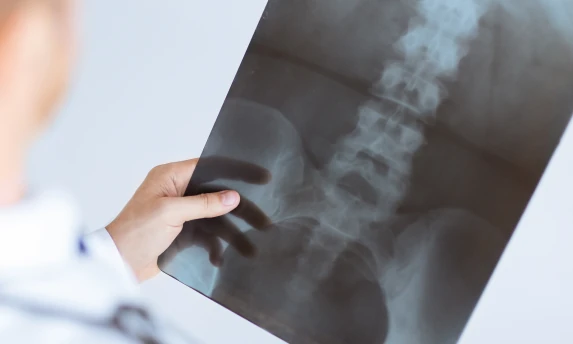
Patients who require general anesthesia undergo an X-ray examination through a partner hospital.

Before surgery we test for antibiotic allergies to confirm that medication can be administered safely.

Before surgery we review your health status and previous surgical history in detail, and thoroughly explain how to prevent post-operative side effects along with the precautions to follow before and after surgery.
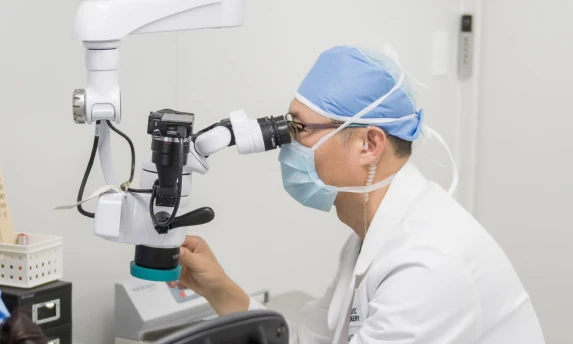
If an abnormal finding appears during surgery, we perform a biopsy immediately to support treatment, even when it is unrelated to the plastic surgery underway.
STEP 2. In-surgery Safety - Anesthesia
We administer safe, systematic anesthesia verified through JCI accreditation. Patients wake up clearly even after long surgeries, which results in high satisfaction.

We use triple low-concentration drugs verified through JCI accreditation, along with anesthetic agents used at university hospitals, to raise the level of safety.
A dedicated anesthesia team monitors the patient's condition in real time throughout surgery and manages the anesthesia.
We are equipped with a Code Blue system for immediate emergency response and with university hospital-level advanced anesthesia equipment.
STEP 2. In-surgery Safety - SD Transfusion
The SD Transfusion System keeps even surgeries with heavy bleeding safe by reusing your own blood instead of another person's.

After a thorough consultation with the medical team before surgery, your blood is drawn, separated into components such as red blood cells, white blood cells and platelets in a centrifuge, and then safely reinfused into your body.
Red blood cells that carry oxygen return to the body and raise hemoglobin levels, so surgeries with heavy bleeding can proceed more safely.
Without infection concerns from another person's blood or difficulties in securing blood supply, patients can maintain good condition during recovery and reduce side effects.
STEP 3. Post-op Care
From surgeon rounding to SVF regeneration care, 8 care and treatment programs support both your recovery pace and your overall condition.

After surgery the operating surgeon visits the recovery room in person to observe your condition closely. This may not be possible depending on circumstances such as other surgeries or the surgeon's schedule
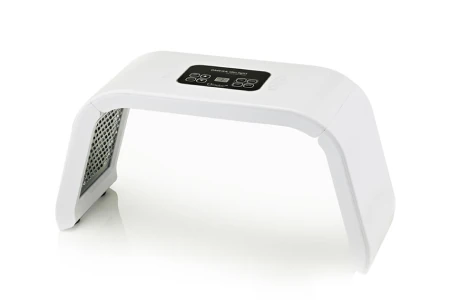
Powerful medical regenerative LED equipment helps promote the recovery of skin and tissue.
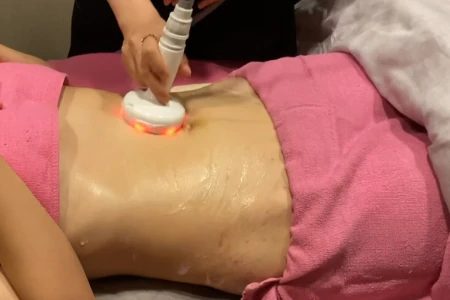
Radiofrequency treatment is performed after surgery to refine the contour and reduce bruising and swelling.

Based on blood test analysis, we build a personalized IV plan for before and after surgery and carry out IV therapy accordingly.
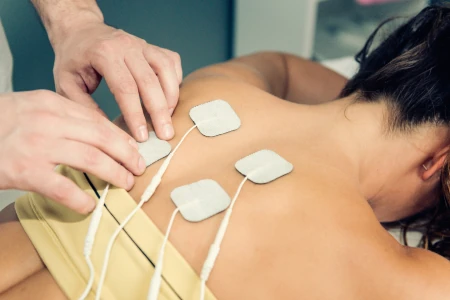
Treatment using low-frequency current is performed after surgery to relax muscles, relieve pain and support blood circulation.

Patients who need skin regeneration care after an SVF procedure receive care through a range of programs.
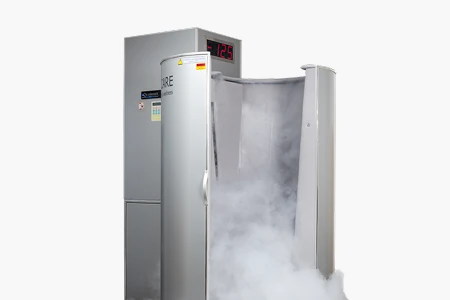
Cryotherapy is performed to support calorie expenditure, improve pain and relieve bruising and swelling.

When prevention or treatment of inflammation is needed before or after surgery, SVF regeneration care with strong regenerative potential is provided.
4-6F, 65 Garosu-gil, Gangnam-gu, Seoul, Korea




※ For revision surgery, please also select the 'Revision' option.
Your selection